
Rotax aircraft engine maintenance,
handled like aircraft work.
912 · 914 · 915 iS · 916 iS · light sport · experimental · inspection and troubleshooting support
A practical maintenance path for modern light aircraft engines.
Rotax engines have become a serious part of the light sport, experimental, and modern piston-aircraft conversation. The 912 and 914 families built the foundation, while the 915 iS and 916 iS brought turbocharged and fuel-injected capability to aircraft that do not fit the old Lycoming-or-Continental-only mental model.
Roger Wilco Aviation Services supports owners who need Rotax maintenance help without treating the engine as an oddity. The work still starts with the aircraft, the engine logbooks, the operating history, the maintenance manuals, and the question the owner is trying to answer.
Inspection, troubleshooting, and maintenance planning.
Rotax requests usually arrive with a specific concern: an inspection interval, a starting or running issue, a service bulletin question, a pre-buy finding, an aircraft that has sat too long, or a logbook history that needs to be understood before the next flight. RWAS can help scope the work, identify the correct data path, and determine whether the aircraft should come to the shop.
Engine condition and inspection support
Review of aircraft/engine history, maintenance status, intervals, and owner concerns.
Troubleshooting
Starting, idle, charging, sensor, cooling, fuel, and operational complaints scoped around the specific installation.
Light sport and experimental aircraft
Maintenance support for aircraft where the engine, airframe, and documentation path must be reviewed together.
Service bulletin and logbook review
Help understanding what has been done, what is due, and what documentation is missing.
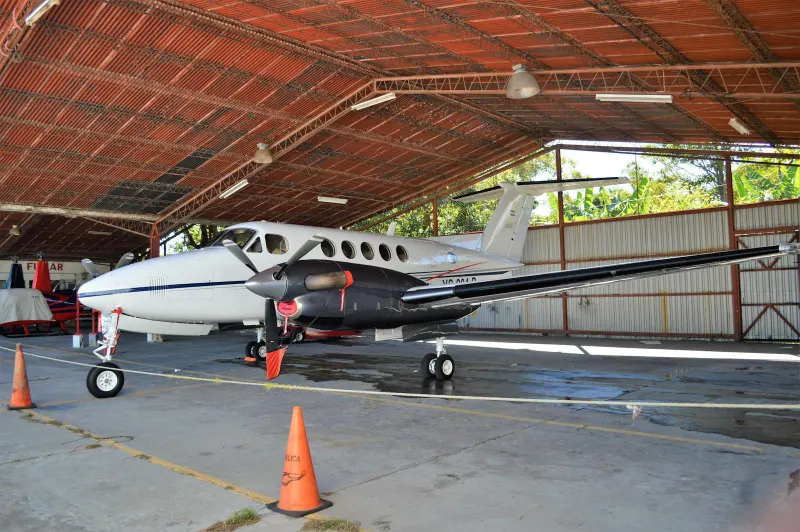
Rotax work is still aircraft work: manuals, logbooks, inspection scope, and documentation matter.
The paperwork has to make sense after the airplane leaves.
Rotax-powered aircraft often sit at the intersection of engine-specific maintenance requirements, airframe-specific instructions, experimental or light-sport operating limitations, and owner-maintained records. RWAS approaches that as a documentation problem as much as a mechanical one.
Owners should send engine model, serial number if available, aircraft make and model, hours, recent maintenance, symptoms, and logbook photos before the first visit. That lets the shop review the likely path before turning the appointment into guesswork.
Send the engine, aircraft, symptoms, and records.
Include the aircraft make/model, engine model, N-number if applicable, engine hours, last inspection, recent maintenance, symptoms, photos, and any service bulletin or manual reference that triggered the question. If the aircraft is experimental or light sport, include the operating limitations and any relevant maintenance-authority details.