RWAS is working with Electroair to support electronic ignition installations for piston aircraft owners who want modern spark timing, smoother operation, and a cleaner path from product selection to logbook signoff.
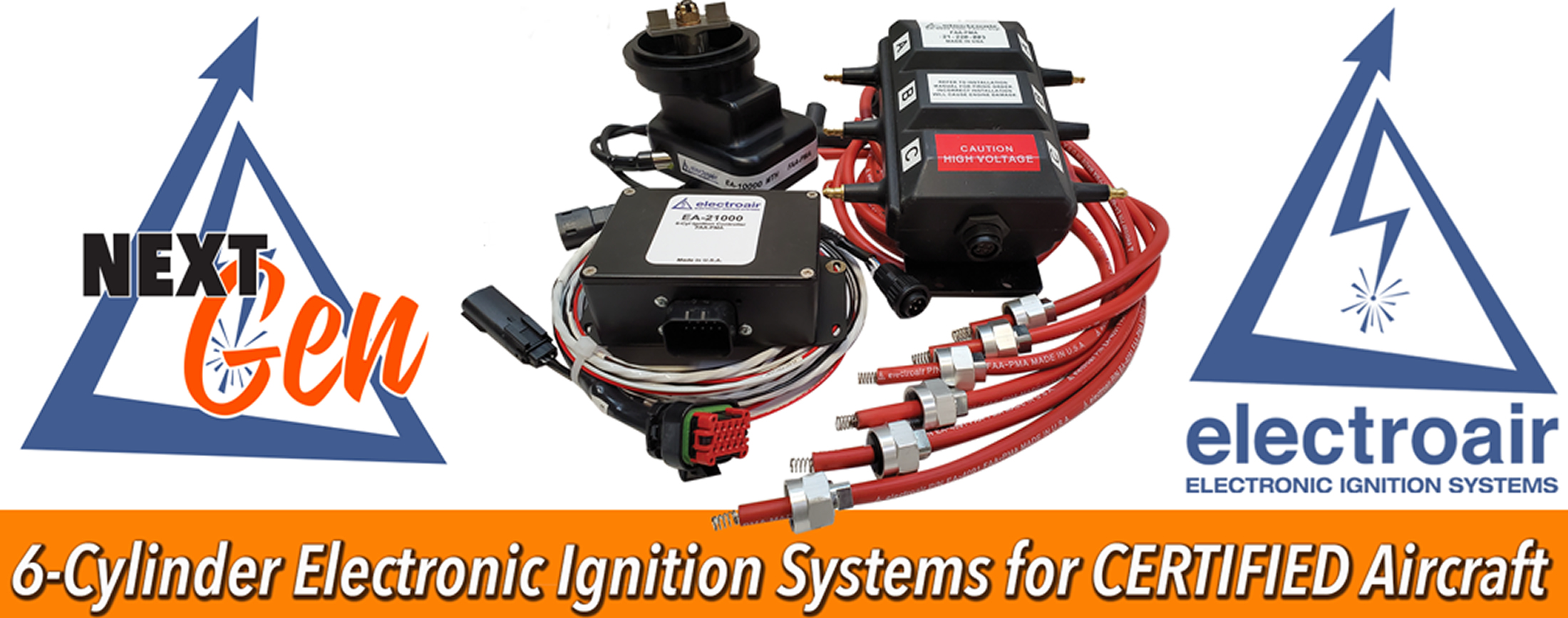
Roger Wilco Aviation Services is working with Electroair to support aircraft owners interested in upgrading from traditional magneto-only ignition to modern electronic ignition systems. For eligible aircraft, an Electroair installation can bring variable spark timing, high-energy ignition, and a more efficient piston-engine ignition package into a properly documented shop workflow.
Beyond the Magneto
For decades, piston aircraft ignition has been dominated by the magneto: reliable, self-contained, and familiar to every A&P who has spent time around Lycoming and Continental engines. Magnetos still have their place. But electronic ignition has been steadily moving from experimental-aircraft innovation into certified-aircraft upgrade conversations, and Electroair has been one of the names pushing that change.
How the Electroair System Works
Electroair's system grew out of experimental aviation work in the early 1990s. The basic idea is straightforward: use a controller, manifold-pressure sensing, engine-position sensing, and high-energy coils to manage spark timing more precisely than a fixed-timing magneto can. In practice, that can mean smoother operation, better starting behavior, improved combustion efficiency, and potential fuel savings when the system is installed and operated correctly.
Installations Through RWAS
RWAS is now working with Electroair to support installations of these electronic ignition systems for aircraft owners who want the upgrade handled through a disciplined avionics and repair-station process. That matters because an ignition upgrade is not just a box swap. It touches engine operation, electrical power, wiring, switching, placarding, documentation, Instructions for Continued Airworthiness, and return-to-service authority.
Planning a Proper Installation
A good installation starts before the cowling comes off. The first step is eligibility: aircraft model, engine model, existing ignition configuration, STC applicability, required supporting equipment, and whether the owner’s mission actually justifies the upgrade. From there, the shop has to plan the wiring, sensor installation, ignition switch arrangement, circuit protection, backup power considerations where applicable, and how the system will be tested before release.
That is where RWAS adds value. We are not interested in treating electronic ignition as a catalog part with a labor line attached. We want the installation to make sense for the airplane, the owner, and the way the aircraft is maintained afterward. That means reviewing the approved data, coordinating the parts package, installing the system cleanly, documenting the work correctly, and making sure the pilot understands what changed before the airplane goes back into service.
The Benefits for Owners
For owners, the appeal is simple: modern ignition control can help a piston engine run more efficiently across a wider range of operating conditions. For shops and mechanics, the responsibility is just as clear: the installation has to be legal, traceable, testable, and maintainable. Electronic ignition is still ignition — if it is not installed with discipline, the airplane will eventually make that point for you in a very expensive tone of voice.
RWAS can help aircraft owners evaluate whether an Electroair electronic ignition installation is appropriate for their aircraft, quote the parts and labor, coordinate the installation plan, and complete the work through a controlled maintenance process. If you are considering moving beyond a traditional magneto-only setup, this is the time to have a real conversation about eligibility, benefits, limitations, and what a proper installation will require.
Electroair Contact Information
Electroair contact information: 5097 Williams Lake Road, Waterford, MI 48329; 248.674.3433; sales@electroair.net; https://www.electroair.net/. Electroair's Facebook page is https://www.facebook.com/AircraftElectronicIgnitionSystems/.
Interested in an Electroair electronic ignition installation? Contact RWAS and we will help confirm aircraft/engine eligibility, review the installation path, and build a quote around the actual airplane — not just the part number.